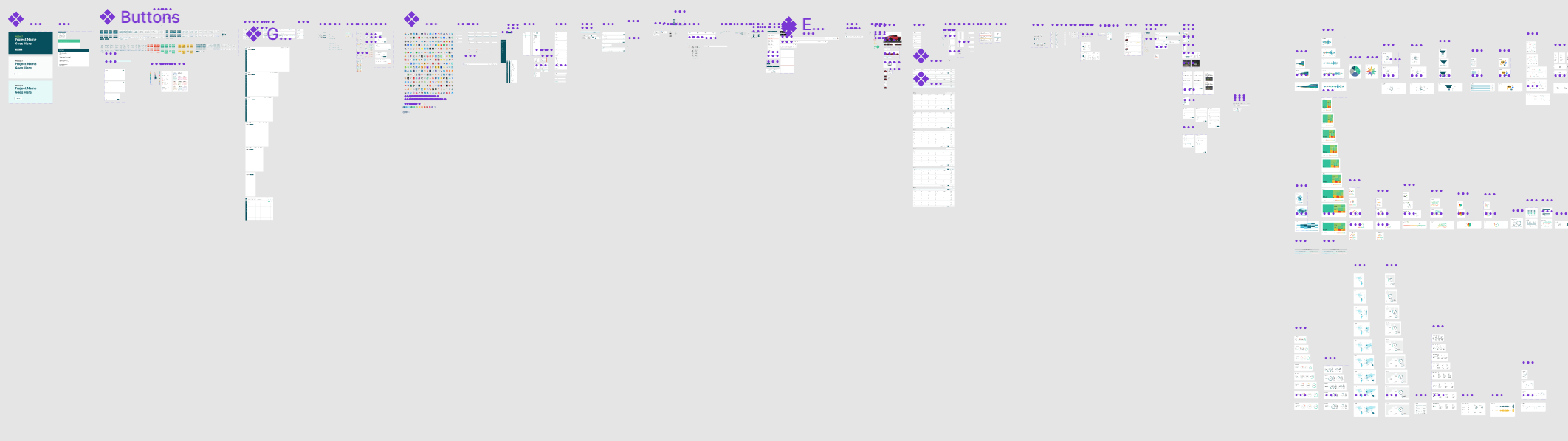
Because there was no design system or centralized files, everything had to be designed from scratch. This caused major delays in design and inconsistencies that trickled down into engineering implementation, causing duplicated dev efforts and major tech debt.
Because there were no formal processes for tracking design efforts, how to create design specs, and how to really leverage the design partners they already had, it caused priorities to be missed or delayed and a lot of confusion and frustration due to poor visibility across design and product.
Product didn't understand how to leverage design, so they were often treated as just a means for generating mocks for engineering. This caused a lot of missed opportunities to use design as thought partners and burnout due to feeling like a cog in the machine.


-
Conducting cross-functional interviews
-
Defining needs, wants, and pain points
-
Communicating that out to the broader team
-
Creating a plan to address identified issues
-
Testing it out on a small scale on individual projects or teams based on buy in
-
Conducting retros to understand pros and cons
-
Making adjustments based function / culture
-
Running more tests / expanding to more teams
-
Create pilots to build social proof through results
-
Onboarding teams based on trust level / buy in
-
Leverage allied advocates to support conversion

- Improved Sales and Retention
- Increased NPS for flagship product by 28pts
- Design = Competitive Edge
- 1,050+ Components
- 10+ Product Teams
- WCAG Compliant
- Kanban Design Boards
- Confluence Documentation
- Design-to-Dev Handoff
- Faster Design
- Faster Dev
- Faster Time-to-Market
Through centralized components
By decreasing code conflicts
Across the product organization
Through connection and support